Transform Your Outdoor Space: Professional Garden Design Solutions Tailored for Your Home
Updating exterior areas can greatly enhance a home's aesthetic and functionality. Professional landscaping services provide tailored plans that factor in local conditions and personal preferences. With qualified experts leading the project, homeowners can look forward to a seamless integration of plants, hardscapes, and lighting. Nonetheless, understanding how to collaborate effectively and set a clear vision remains important. Examining these facets can create a impactful outdoor setting that fulfills both needs and aspirations.
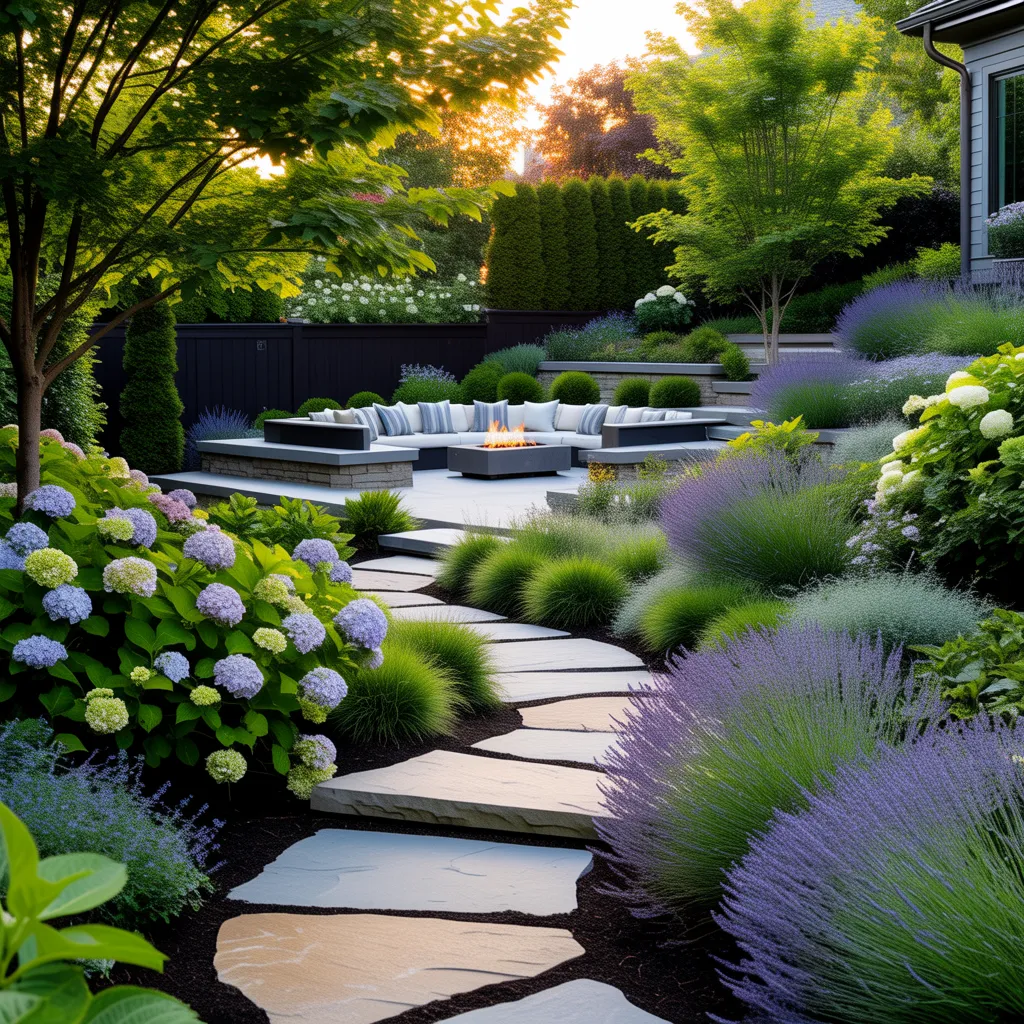
Why Select Experienced Landscape Design Options?
When considering a transformation of exterior areas, many property owners recognize the value of professional landscape design services. These specialists offer a wealth of knowledge and innovation, ensuring that the layout aligns with the homeowner's tastes while maximizing functionality and visual beauty. Professionals comprehend the complexities of local climate, ground composition, and vegetation selection, allowing them to create eco-friendly outdoor spaces that flourish.
Additionally, landscape designers can effectively integrate various elements, such as hardscapes, lighting, and irrigation systems, into a cohesive plan. This comprehensive plan not only enhances visual appeal but also strengthens property value. Moreover, hiring professionals can free up time and avoid expensive problems. Their experience in maneuvering zoning regulations and obtaining permits creates additional convenience for homeowners. Ultimately, selecting professional landscape design firms can transform outdoor areas into beautiful, functional spaces that reflect individual styles and elevate lifestyle quality.
How to Determine Your Open-air Vision?
In what ways can homeowners clarify their landscape direction? First off, they should contemplate their lifestyle and how they desire to utilize the outdoor space. Recognizing unique requirements—whether hosting events, growing plants, or leisure—can inform the design process. After that, property owners should look into various styles, such as modern, rustic, or tropical, to figure out what suits their style inclinations.
Creating a concept board or accumulating images from magazines and online platforms can provide visual guidance and contribute to articulating ideas. Additionally, analyzing the existing landscape elements, such as trees and slopes, allows for a more balanced design.
Setting a budget is crucial, as it influences selection of materials and project scope. Finally, property owners should reflect on upkeep needs, ensuring the concept is sustainable for their way of life. By following this process, clarity emerges, creating the foundation for a well-defined outdoor vision that aligns with their aspirations.
Collaborating Effectively With Your Landscape Professional
Successful partnership with a landscape designer commences with a straightforward explanation of one's objectives. It is essential to communicate spending limits openly to guarantee realistic planning. Depending on the designer's expertise can contribute to inventive ideas that align with the client's desires while enhancing the overall garden.
Articulate Your Goals Explicitly
What characterizes a productive partnership with a landscape designer? Clarity in vision is essential. Homeowners must voice their preferences, living needs, and preferred appearance to make certain the designer understands their expectations. Offering visual materials, such as photos or sketches, can significantly boost comprehension. Moreover, addressing particular elements like color schemes, materials, and plant types helps in polishing the idea. Strong dialogue is essential; homeowners should feel comfortable conveying their thoughts and reservations throughout the undertaking. This open dialogue builds a strong partnership, permitting the designer to develop tailored solutions. Ultimately, a clearly articulated vision provides a foundational guide, improving the possibility of realizing a harmonious outdoor space that resonates with the homeowner's aspirations.
Express Your Cost Specifications
A distinct vision provides the groundwork for successful landscape design, while understanding budget constraints holds equal importance. When working with a landscape designer, sharing budget parameters promotes openness and trust. Clients should present a realistic budget upfront, enabling designers to suggest solutions that fit their financial goals. This honest discussion allows the designer to concentrate on elements, making sure critical parts are included without going over budget. Furthermore, addressing budget constraints can spark innovative options, like choosing more cost-effective materials or modifying project timelines. In the end, a well-defined budget empowers both parties to collaborate efficiently, creating a landscape that both fulfills aesthetic goals and stays financially viable.
Rely on Their Expertise Completely
Placing faith in a environmental designer's proficiency is essential for accomplishing a thriving outdoor initiative. Their extensive background of plants, materials, and design principles enables them to construct coordinated and practical settings. Clients must approach the partnership with a receptive perspective, treasuring the designer's counsel while also communicating their preferences. Direct interaction is essential; exchanging concepts and feedback strengthens a successful working relationship. Designers regularly possess access to solutions and options that property owners could overlook, improving the complete design. By valuing the designer's expert insights, clients can assure that their distinctive requirements are satisfied while leveraging creative design methods. In closing, this faith produces an outdoor place that reflects both personal preference and informed guidance.
Selecting the Best Outdoor Design Approach for Your Home
How can homeowners determine the most suitable landscape design theme that complements their property? First, they ought to assess the architectural style of their home. A modern house often pairs well with minimalist landscaping, while a traditional home may benefit from classic garden elements. Next, homeowners should consider their personal preferences and lifestyle. For instance, those who enjoy entertaining might choose open spaces with seating areas, while nature enthusiasts may lean towards native plants and wildlife-friendly designs.
Additionally, regional weather patterns and earth composition serve as crucial determinants in choosing suitable plants and materials. Property owners may likewise investigate various design styles, such as Mediterranean, Japanese Zen, or cottage gardens, to discover ideas. Lastly, working alongside a landscape design professional can offer beneficial guidance suited to the particular site, ensuring that the chosen style harmonizes with both the surroundings and the property owner's goals.
How to Budget for Your Landscape Transformation?
Preparation for a landscape makeover commences by determining needs, as this helps homeowners in honing in on what items are important. Afterward, calculating material costs is vital for generating a sound financial plan. By addressing these principal concerns, people can promise a excellent and fulfilling makeover of their yard environment.
Identify Your Main Objectives
When starting on a landscape renovation, understanding one's priorities is essential for efficient budgeting. Homeowners should first establish their core goals, whether it's creating an outdoor entertainment space, enhancing curb appeal, or increasing privacy. This understanding helps in distributing resources effectively. Evaluating the current landscape and determining which elements need urgent focus can also streamline the process. Additionally, it is important to consider long-term maintenance and environmental responsibility; putting money in durable materials may lower future costs. Establishing a realistic budget that represents these objectives guarantees that the project aligns with both aesthetic desires and budget limitations. By focusing on needs, homeowners can accomplish a cohesive and pleasing landscape transformation without exceeding budget.
Evaluate Material Costs
Estimating project expenses is an important step in organizing a effective landscape makeover. Homeowners access now should begin by compiling all wanted elements, such as plants, hardscapes, and lighting. Investigating local vendors can provide insights into costs and availability. It's important to consider additional expenses, including soil, mulch, and tools, which can significantly impact the overall budget. Furthermore, incorporating a contingency fund of 10-20% allows for unexpected costs that may arise during the project. By carefully calculating these expenses, homeowners can guarantee they remain within their budget constraints while achieving their intended outdoor space. Consulting with landscape professionals can also offer valuable guidance in making well-considered material choices that align with budget constraints.
Essential Upkeep Tips for Your New Landscape Design
Proper maintenance is indispensable for any new landscape design to thrive and sustain its beauty. Regular watering is important, especially during the initial growth phase; establishing root systems requires uniform moisture. Mulching around plants helps retain soil moisture, suppress weeds, and regulate temperature.
Pruning must be done throughout the year to promote robust growth and remove any diseased or decayed branches. Soil enrichment, adjusted for the unique demands of plants, boosts access to nutrients and supports colorful flowering.
Plant unwanted growth removal is vital; consistent monitoring and removal prevent competition for resources. Additionally, pest monitoring guarantees swift response, protecting plant health.
Seasonal cleanings, such as leaf removal and debris clearing, maintain visual appeal and prevent mold development. Finally, soil condition should be evaluated regularly, with amendments made as necessary to guarantee ideal cultivation environment. By adhering to these maintenance tips, property owners can maintain the integrity and charm of their outdoor landscaping.

Frequently Requested Questions
What Elements Are Optimal for Green Landscaping?
Recycled materials, native plants, permeable pavers, and organic mulches are perfect for green landscaping. These selections improve species richness, decrease water usage, and reduce waste, forming green spaces that flourish with minimal maintenance.
What is the Timeframe of a Common Landscape Project?
A standard landscape project may take anywhere from a few days to several weeks, depending on the task's complexity, size, and the specific features being set up, such as plants, hardscapes, or irrigation systems.
Does Outdoor Design Improve My Real Estate Value?
Yes, landscape design can significantly boost property value. Thoughtfully designed exterior areas improve visual attractiveness, increase usability, and appeal to prospective purchasers, ultimately resulting in higher market prices and a better ROI for homeowners.
Which Plants Are the Most Well-Liked for Local Climates?
The most popular plants for local climates typically consist of native species, water-efficient varieties, and long-lasting plants. These choices enhance ecological diversity, demand less upkeep, and flourish in their individual habitats, making them ideal for eco-friendly garden design.
How Can I Get My Yard Ready Before the Garden Installation Starts?
To ready the yard before landscaping, one should clear debris, assess soil quality, remove weeds, and mark desired features. Ensuring proper drainage and measuring spaces for plants and hardscapes will facilitate a smoother installation process.